


From dairy and baby food to baked beans and barbecue sauce, Alessandra de Dreuille has led brands through transformation, scale and cultural change. Now marketing and commercial director at Kraft Heinz, she tells all to Tim Healey.

You were brand manager at Lactalis, then at Danone for almost three years, before joining Bel to work on Boursin and The Laughing Cow. You moved to Kraft Heinz in 2016 and have since held a range of roles – from sauces and soups to people and performance. Please walk us through your career to date.
I’m half Italian and half French. I grew up in Italy; my mum is Italian and my dad is French. As a French-educated person, I’ve always loved dairy and yogurts and that whole world. I started my career in Madrid when I was doing my Erasmus exchange. I really wanted to stay there a little longer to have more fun, so I looked for work and landed a role in marketing.
Danone and Bel were both French businesses in dairy, but they were very different. One was a big, publicly listed company with quarterly targets; the other, a family-owned business with a completely different rhythm and long-term view. Working for Danone had me based in France, and then I moved to the UK for Bel, which gave me a great taste of different cultures and organizations.
My roles there were still local marketing. I joined Heinz because the position was regional, with a European scope. For my first three years, I was based in London, which was also very exciting.
After my first maternity leave, I moved into the UK business, leading soups – probably the biggest category I’d managed so far. Then there was a restructure. At that point, I’d spent around a dozen years in pure marketing across different companies and countries.
I loved my next role as head of baby food because it was the first time I had a fully cross-functional team, including marketing, commercial development and finance. It remains one of my favorite roles because it was such a rich learning experience. The category itself is special – alongside the business challenge, you learn so much about babies and parents.
I went on maternity leave again and expected to come back to that role. But the HR director, who was also going on maternity leave, reached out to ask if I’d cover for her for a year. A role in HR had never been part of my plan, but I thought, “Why not?” It was a chance to report directly to the Northern Europe president and step into the leadership team. It also offered the opportunity to discover an entirely new function, which felt exciting.
As it happened, the HR director never returned to her role – she was promoted – so I stayed in HR for over two years. When I started, it was just after COVID, and employee engagement was low. We had to turn that around, which made it a great time to be in HR, because we could have a real influence on the business.
Advertisement
HR is also very internally focused, so after two years, I was ready to return to marketing and the more commercial side. I took on my current role about a year and a half ago. It’s a mix of commercial, marketing and cross-functional leadership, similar to the baby food role – just on a much bigger scale.
Those two years in HR were invaluable. I now lead a team of about 25–30 people, and HR topics come up in my day-to-day all the time. I learned so much by observing senior leaders in their roles – how they manage, communicate and build trust. And while I loved my time in HR, I also realised how much I’d missed marketing. I came back to it with even more love than when I left.
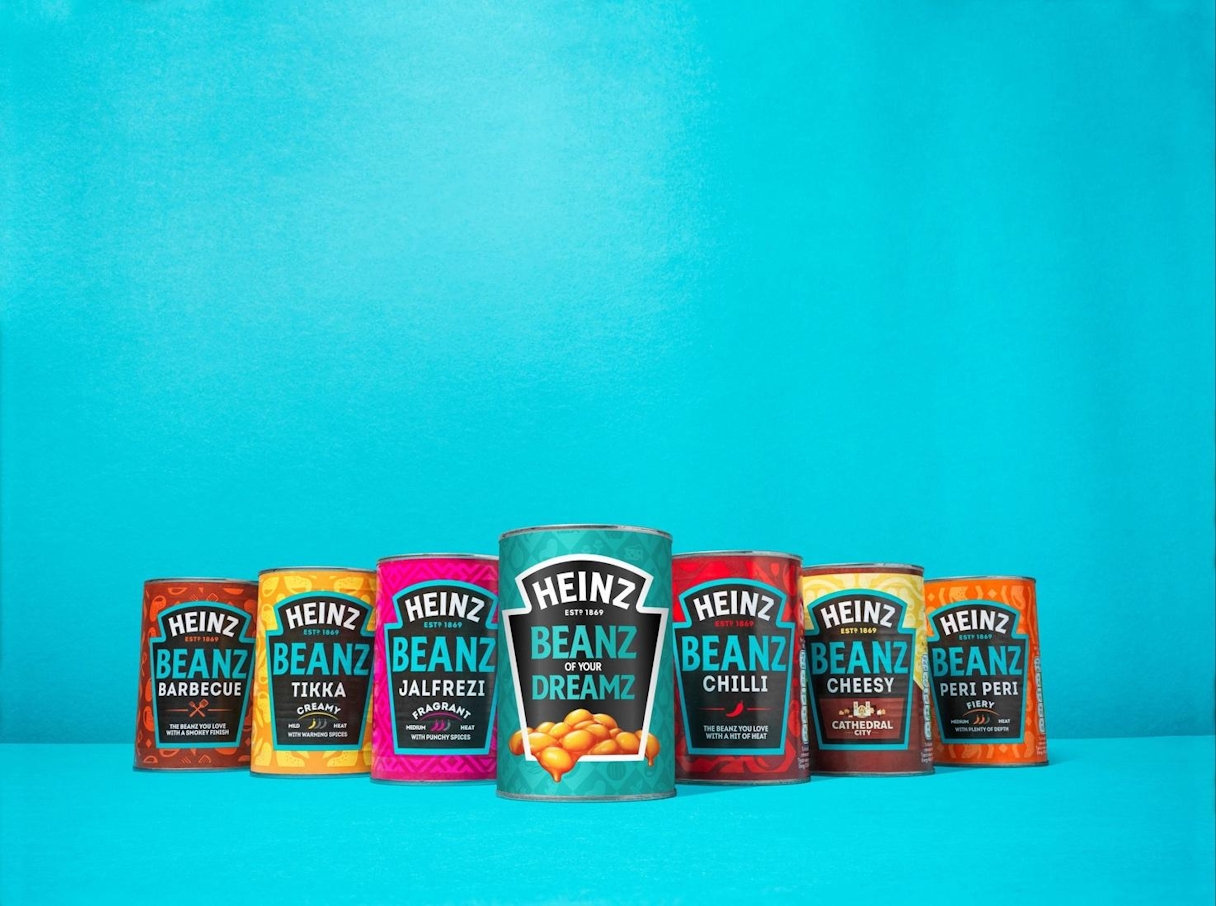
As our CEO says, in uncertain times, you can either defend your brand or double down on opportunity. The direction we’re taking is not to defend, but to double down on what we believe is right for our business in the long term.
We’re very focused on the short-term commercial discussions with retail partners, which are crucial to closing the year strongly. But at the same time, we have a rich innovation pipeline that will deliver over the next 12 to 18 months, alongside some really exciting campaign plans. It’s about finding the right balance between achieving immediate results and doubling down on the longer-term ambitions.
Heinz is a global brand, and a new global Heinz team was created a little over a year ago. Although the brand has been global for 150 years, it used to be managed more locally. Now this new structure drives consistency in our communications and creates synergies where they make sense.
My area of responsibility – meals (baby food, beans, soups and pasta) – is uniquely UK focused. We have a lot of local ownership, especially around innovation. In my team, marketing and commercial sit together. Marketing focuses on our communications and innovation pipeline, while the commercial team handles pricing and promotions and partners closely with sales to ensure our plans are executed effectively.
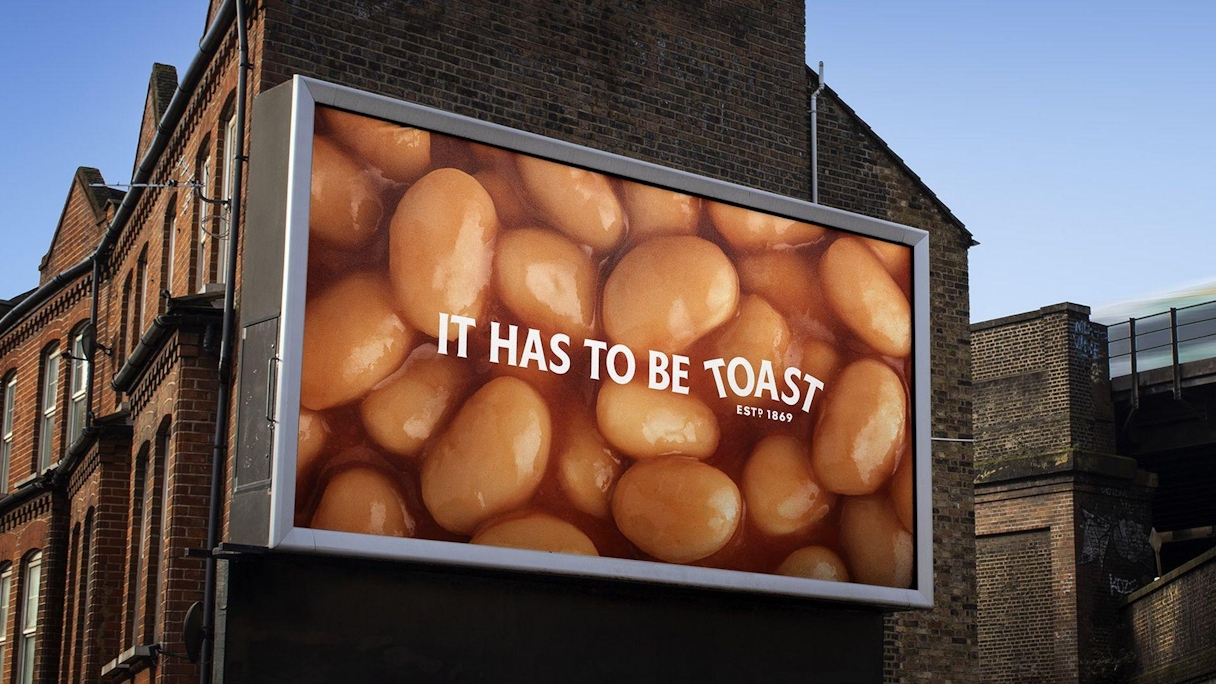
We also have something unique: our in-house communications agency, The Kitchen. It’s one of our biggest competitive advantages in staying relevant and keeping pace with culture.
When I worked in HR, I was HR business partner to the other members of the leadership team, including the Northern Europe president. It’s a privileged position because you’re involved in the day-to-day of big decisions – you see how leaders think and act under pressure.
The biggest learning for me was that great leaders never compromise on talent. Those who are demanding and uncompromising about the quality of people they bring in always end up with stronger teams, even if it means waiting longer to fill a role. Those who compromise almost always regret it later. If you have doubts, it’s probably not the right person. Waiting for the right person is always worth it.
I’ll cheat a bit and talk about the moment after my time in HR – because that’s when I really fell in love with marketing again.
We launched a beans campaign called ‘Too good to leave behind.’ It’s part of our master brand platform ‘it has to be Heinz’ and celebrates the “irrational love” people have for Heinz. We discovered this incredible story about Ringo Starr travelling to India with a suitcase full of Heinz Beans. Even today, Heinz tins are among the most confiscated items at airports.
When I saw the campaign live at Piccadilly Circus, I thought: marketing really is the best job ever.
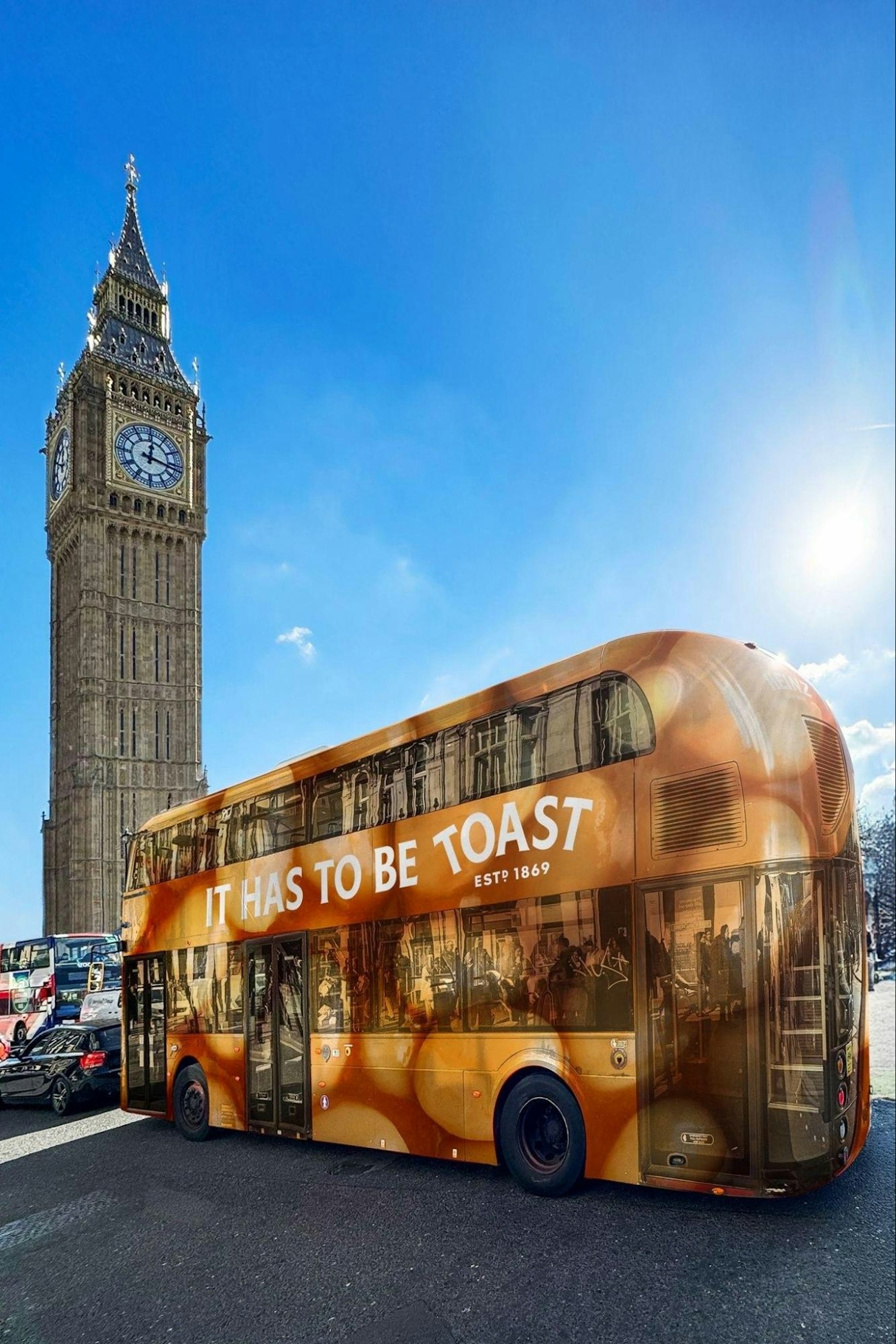
The campaign delivered record-breaking results for beans, and it felt amazing to see creativity directly driving growth.
Advertisement
I think silo mentality is both structural and cultural. Structurally, we avoid it by pairing commercial and marketing teams, giving them shared P&L ownership. That alignment means everyone feels responsible for business performance.
But culture is equally important. You can have a great structure, but if people don’t genuinely collaborate, silos still form. I spend a lot of time building relationships across functions – for example, with our factory lead in Manchester, whom I visit every couple of months. Staying close to the realities of production builds empathy and trust, and that’s what really breaks down silos.
I’m surprised all the time. One of my favorite parts of the job is learning about British culture and all the rituals that come with it.
One project that stands out was a comprehensive examination of the consumer journey for our beans – from purchase to disposal. We wanted to understand emotional highs and lows, and what people love or dislike. What we discovered was fascinating: our cans are the easiest to open in the market. There’s something unique in how we seal them that gives a smooth opening experience.
It’s a small detail, but one that matters. It reminded us that every aspect of the product experience can drive loyalty.
Don’t let it linger, but don’t bury your head in the sand either. Address it directly and quickly. Try to understand where the board is coming from and what reassurance they need.
If you don’t, it becomes a bigger challenge later. And remember, the board shares your objective – success for the business – even if they approach it from a different angle. There’s always something to learn from those conversations.
Advertisement
That marketing is the only function responsible for the brand. I really believe that every person in a business contributes to brand strength – from insight and innovation to how we show up in the world.
The brand belongs to everyone. Marketing might be the hub that connects the dots, but brand stewardship is a shared responsibility.
Worry less about what people think. It takes up so much headspace. I’d tell my younger self to take it all in, but not let it occupy more space in my head than it does in someone else’s.
I’d love to hear about tough times. You asked me about my best memories – I’d like to know about the most difficult moment in someone’s career and the steps they took to get through it.
After many years in marketing, I was a little bored. I felt I’d lost my spark. Moving into HR was exactly what I needed. It helped me see marketing with fresh eyes, and I came back with renewed passion.
That it’s always about people and their behaviour – which, in many ways, makes it very similar to HR.
Tim Healey listens, learns and synthesizes real-world best practices from hundreds of marketing professionals and serves them up in his weekly interviews for The Drum. Tim’s Little Grey Cells Club is a trusted, no-sales, peer-driven network where senior-level marketing directors unite to exchange insights, confront challenges and drive leadership forward.

Heinz