


As the UK’s largest supermarket piles Everyday Low Prices onto promotions, loyalty discounts and price matching, pricing certainty collides with the thrill of the deal. Mark Ritson unpacks the battle between EDLP and Hi-Lo pricing, and what it says about how shoppers actually shop.

There’s a war raging in British grocery aisles and Tesco has just fired the latest salvo. The UK’s largest supermarket launched ‘Everyday Low Prices’ across more than 3,000 branded products earlier this month. Heinz Baked Beans. PG Tips. Fairy washing-up liquid. Weetabix. All the stuff that sits in the nation’s collective cupboard, offered at “consistently low prices week after week, without needing to time their shop around promotions.”
It’s classic EDLP – Everyday Low Pricing – the holy grail that Walmart built an empire on. Keep prices consistently low. Stop the promotional circus. Let shoppers trust that whatever they pick up is fairly priced. No timing anxiety. Just honest pricing.
Tesco UK CEO Ashwin Prasad explained that “our most-loved brands don’t just have a place in our shopping baskets – they hold a genuine place in the nation’s heart.” Translation: we know you’re emotionally attached to your Marmite, and we’re going to make sure you don’t defect to Aldi to afford it.
There’s even a new red logo and the return of Tesco’s old blue-and-white value stripes – a nostalgic nod to the days before supermarket pricing became a bewildering maze of deals, price matching and shelf-edge tickets that require a PhD to decode. When you commit to EDLP, communications shift from discounted products to the value-fighting retail brand itself.
Advertisement
EDLP has its nemesis. Hi-Lo pricing: set regular prices slightly higher, then run frequent, deep promotions on specific products where you can beat competitors or where consumers are particularly price-sensitive.
“Was £4.50, now £2.25!” Buy-one-get-one-free! Three for £5! It’s exciting. It’s dynamic. It makes shoppers feel like clever bargain hunters. And because of that selective focus, Hi-Lo often beats EDLP on individual products. The Grocer recently analyzed Tesco’s new Everyday Low Prices range and found rivals running Hi-Lo undercut a third of them. That’s not everyday low pricing. That’s occasionally medium prices.
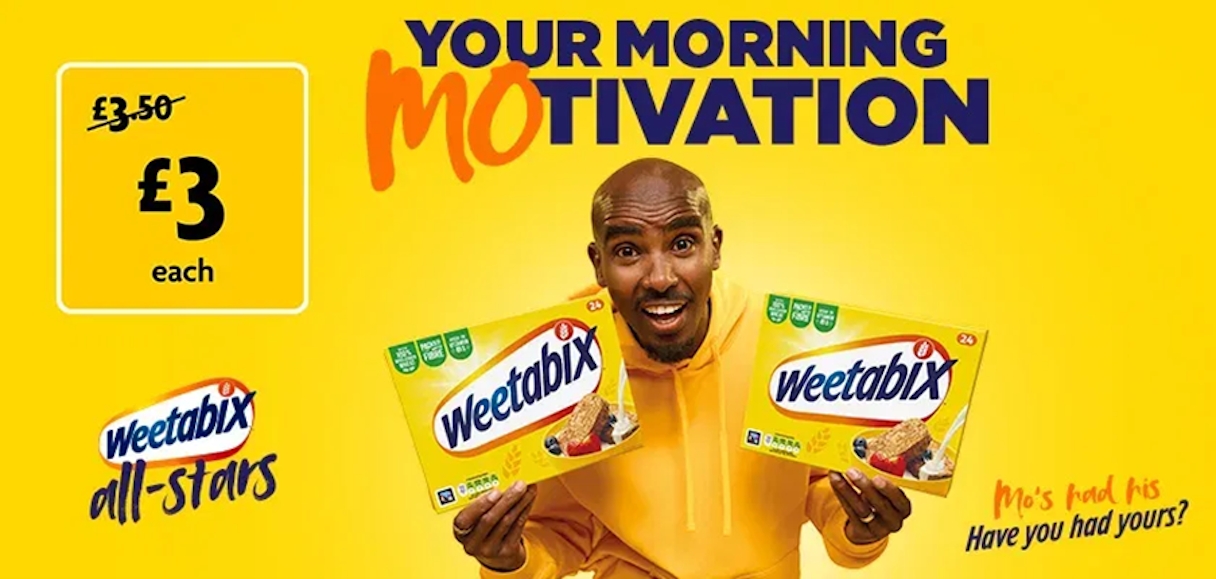
Morrisons is the current Hi-Lo champion. Just this month, the Bradford-based retailer announced 2,500 price cuts in a blaze of promotional glory: broccoli slashed from £2 to £1.50, sweet potatoes down 25p, blueberries 10p cheaper. Multi-buy deals everywhere: Buy 2 for £4, Buy 5 for £5 on yoghurts, 25% off six bottles of wine. The message is clear: come to Morrisons and hunt for treasure. The whole store is a dopamine delivery system.
So which strategy wins? The research is, predictably, a pick’n’mix. A landmark study in Marketing Science found big-basket shoppers prefer EDLP because it reduces decision fatigue. Most consumers are cognitive misers. They don’t want to calculate whether four cans of tomatoes at 75p beats three at £1 with one free. They want to fill the trolley, get home, and do something more interesting.
But segments exist. Cherry pickers – shoppers who dart between stores grabbing whatever’s on special – love Hi-Lo. They get genuine satisfaction from finding deals. Research at Tulane University analyzing 160 million grocery purchases found these shoppers perceived Hi-Lo retailers as better value because deep discounts made them feel they were getting premium products at bargain prices.
The thrill of the hunt is real. As is the risk of removing it. When JCPenney ditched promotions for EDLP in 2012, sales collapsed 25% and the CEO was fired within 18 months. Shoppers said they wanted simple, fair pricing in focus groups – then abandoned the store in droves when it executed the strategy because it felt “boring.”
Plus Hi-Lo prices have to cut through to work. IRI research found British shoppers are among the least responsive in the world to pricing discounts. A 10% price cut averages volume growth of just 7%. In some categories – beer and tea – promotions would need to slash prices by 30% to deliver justifiable volume growth.
This inelasticity presents a potent argument for EDLP. But the occasional promotional hit from Hi-Lo still drives certain segments and bolsters value perception across the mass market. Which is probably why Tesco isn’t really embarking on an EDLP approach. It’s doing EDLP and Hi-Lo and loyalty pricing and price matching – all at the same time. Tesco knows pure EDLP won’t work in the UK. The research shows it. So it has built a Frankenstein’s pricing monster, stitched together with a bit of everything, aimed at everyone.
Look at what Tesco offers right now: Everyday Low Prices on 3,000 branded products. Aldi Price Match on 650 own-label lines. Clubcard Prices on 10,000-plus products. And multi-buy promotions and seasonal deals on top.
Advertisement
And the monster has advantages. EDLP on emotional anchor products people buy weekly and would notice if prices changed. Promotional activity funneled through Clubcard to capture data and make shoppers feel special. Price matching on own-label to neutralize the discounter threat. It covers every base.
But there’s also risk here, too. Strategy is about choice. When you try to be everything to everyone, you end up being nothing to anyone. How much is a tin of beans? At Tesco, that’s a surprisingly complicated fucking question.
The regular price for Heinz Beans is £1.40. But with Clubcard you can get two for £2. Buy the three-pack with Aldi Price Match and it drops to 92p a tin. Use Clubcard on a four-pack and that falls to 88p. A smaller Heinz can is included in the new Everyday Low Prices approach so it has dropped to 60p. Next to it: Tesco own-brand beans at 42p.
Confused? I know I am.
Shoppers struggle to hold multiple price positions in their heads. They develop a “price image” of a store – a gut feeling about whether it’s cheap or expensive. Mixed signals create confusion and space for competitors. The German discounters have taught everyone the value of simplicity, consistency, and brutal focus.
Advertisement
Still, I suspect Tesco will monster-price its way to continued dominance. British shoppers have proven remarkably tolerant of byzantine pricing schemes. They may even have a taste for them. The alternative – picking a lane and sticking to it – requires conviction few British retailers possess. And Penney’s still moribund status remains instructive.
Tesco’s pricing monster was born from a fundamental question about shoppers. Do they want the quiet confidence of consistent value? Or the thrill of the hunt, the satisfaction of a deal, and the smug knowledge they paid less than the sucker behind them in the queue?
The answer, apparently, is yes. They want both. With an extra Clubcard discount on top, a free tin of sardines, and 500 bonus points.
Mark Ritson is a former marketing professor, brand consultant, and multi-award-winning columnist. He is also the founder of the MiniMBA in Marketing, which kicks off April 7. It’s still £1,949. No price monsters here. Get on board.